


What Is Smile Design?
Most people have at least one thing they would change about their smile. Maybe a tooth is chipped. Maybe the teeth look uneven, stained, crowded, or smaller than they used to. Sometimes there is no single major problem. The smile just does not feel balanced.
Smile design is the process of looking at all those details together and creating a plan to improve them. It is not one dental procedure. Instead, it is a way for a dentist and patient to decide what changes would look natural, feel comfortable, and work well over time.
No two smile designs should be exactly alike. Teeth that look great on one person may not suit someone else. A dentist may look at the size and shape of your face, the position of your lips, the amount of gum that shows when you smile, and the way your teeth come together when you bite. Your age, skin tone, and personal style may also affect the plan.
Most importantly, your dentist should ask what you want. Some patients want a noticeable change, such as straighter, brighter, or more even teeth. Others want something subtle. They still want to look like themselves, only with a smile they feel better about.
The first step is usually a conversation. You can explain what bothers you and what you hope to change. You do not need to know the names of dental treatments. You can simply say that one tooth looks too short, your smile seems uneven in pictures, or you no longer like the color of your teeth.
The dentist will examine your teeth and gums. They may take photographs, X-rays, impressions, or digital scans. These records provide a closer look at the shape and position of each tooth. They also help the dentist check for problems that need attention before cosmetic work begins.
For example, tooth decay or gum disease should usually be treated first. A beautiful smile needs a healthy base. Your dentist may also check your bite and ask whether you grind your teeth. These issues can affect which treatments are safe and how long the results may last.
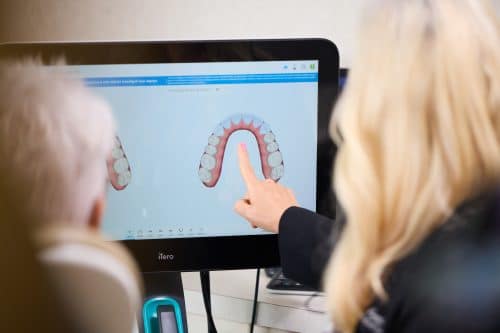
Some dental offices use digital tools to show how proposed changes could look. You might see an edited image of your smile or a model made from a scan of your teeth. A preview can make it easier to discuss details. You may realize that you want the teeth a little less white, slightly rounder, or not quite as long.
Treatment depends on what you want to change. Teeth whitening may help with stains. Dental bonding can repair small chips, close narrow gaps, or improve the shape of a tooth. Veneers may change the color, size, or shape of several teeth. Crowns can restore teeth that are badly worn or damaged.
Clear aligners or braces may be recommended when teeth need to be moved. Gum reshaping may help if the gumline looks uneven or covers too much of the teeth. Missing teeth may be replaced with a bridge, implant, or another option. Many smile plans include more than one treatment, but not everyone needs a major makeover.
The time and cost can vary. A simple plan involving whitening and bonding may take only a few visits. Moving teeth or completing several restorations can take months. Your dentist should explain the choices, expected results, costs, and care involved before treatment begins.
Smile design is not about creating perfectly identical teeth. Real smiles have small differences, and those differences often help them look natural. The goal is to create better balance while protecting the health of your teeth.
For many patients, the biggest change is not just what they see in the mirror. They may stop covering their mouth when they laugh, feel more relaxed in pictures, or become more comfortable meeting new people.
If you are curious about what smile design could do for you, schedule a consultation with our dental team. We can discuss your concerns, review your options, and create a personalized plan for a healthier, more confident smile.
Related Article: What is the Smile Design Process?