


What is the Smile Design Process?
The smile design process starts with a simple question: what would you like to change about your smile?
For some people, the answer comes quickly. They may have a chipped tooth, a noticeable gap, or stains that no longer respond to regular brushing. Others are not sure what feels off. They only know that they avoid smiling in pictures or cover their mouth when they laugh.
During the first visit, your dentist will listen to your concerns and ask what kind of result you have in mind. You may want a brighter, more even smile, or you may prefer a small change that does not look obvious. There is no single version of a “perfect” smile. The goal is to find an approach that fits your face, personality, and comfort level.
You do not need to arrive with a treatment already picked out. In fact, it is often better to begin by talking about what bothers you. You might mention that your front teeth seem too short, one side of your smile looks different from the other, or your teeth have become more worn over time.
After that conversation, the dentist will take a close look at your teeth and gums. They will also check your bite and overall oral health. Cavities, gum disease, cracked teeth, or other problems may need to be treated before cosmetic work begins. This does not mean you cannot move forward with smile design. It simply means the healthiest work usually starts with a strong foundation.
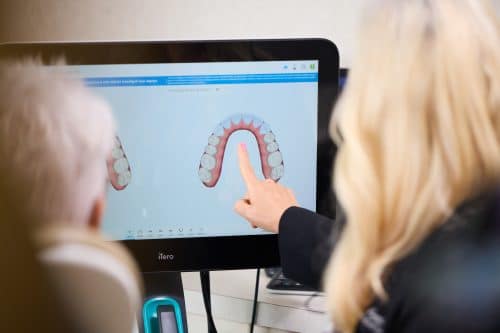
Your dentist may take X-rays, photographs, impressions, or a digital scan of your mouth. These records offer a more complete view of your teeth than the dentist can get from an exam alone. They can show how the teeth line up, how much space is available, and whether the shape of your gumline affects the look of your smile.
Some dental offices also use computer imaging to create a preview. This may allow you to see how your smile could look with changes to the shape, color, length, or position of your teeth. In certain cases, the dentist may make a temporary model that you can try over your natural teeth.
The preview is an important part of the conversation. A very bright or perfectly even smile may sound appealing at first, but it may not feel natural once you see it on your face. You can ask for softer edges, a warmer tooth color, or another small adjustment before treatment begins.
Once you and your dentist agree on the general design, you will discuss treatment options. Whitening may be enough to improve discoloration. Bonding can repair chips, reshape a tooth, or close a small gap. Veneers and crowns may be considered when a tooth needs a larger change in color or shape.
Some patients need clear aligners or braces before other cosmetic work. Gum reshaping may improve a gumline that appears uneven, while implants or bridges may be used to replace missing teeth. A smile design plan can include several treatments, but it does not always have to. Sometimes a few careful changes make the biggest difference.
Before beginning, your dentist should explain the cost, timeline, expected results, and care involved. Depending on the plan, treatment may take a few appointments or several months.
The smile design process should never feel rushed or one-sided. You should have time to ask questions and understand your choices. To learn what may work for your smile, schedule a consultation with our dental team. We will listen to your concerns and help you explore options that feel natural, comfortable, and right for you.
Related Article: Smile Design Cost